
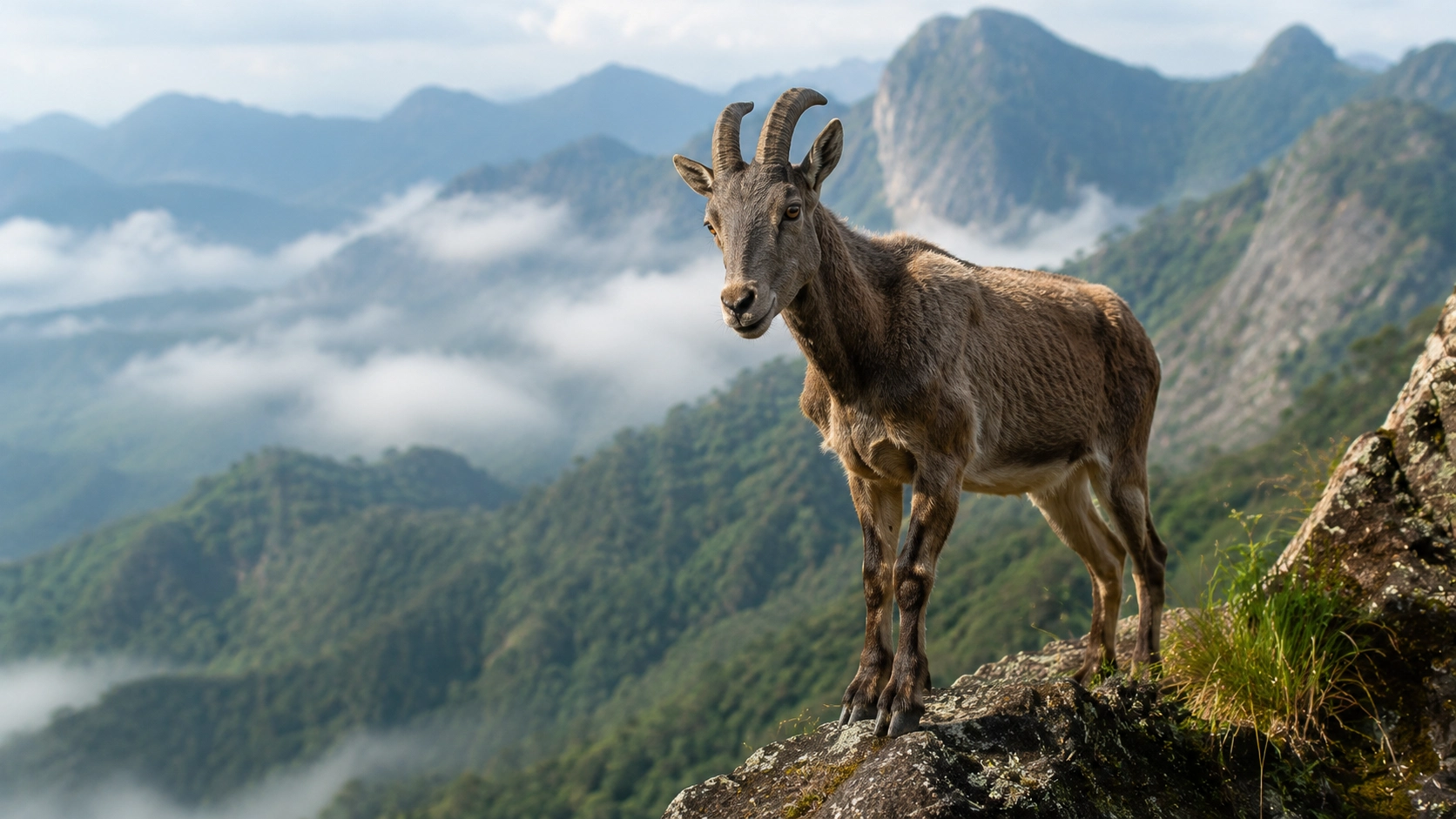
Wildlife protection is not only about creating protected areas or rescuing animals in danger. It begins with a simple principle: humans and wildlife must learn to coexist responsibly.
Across the Western Ghats, forests and natural habitats provide shelter, food and water for countless species. As human settlements, agriculture, roads and other developments expand, interactions between people and wildlife are becoming increasingly common. Responsible coexistence is essential to ensure that both communities and wildlife can thrive.
Understanding Human–Wildlife Conflict
When natural habitats are fragmented or food and water become scarce, wild animals may move closer to human settlements. Elephants may enter agricultural fields, leopards may be spotted near villages, and other animals may travel through areas that were once part of their natural range.
These encounters can create fear, property damage and risks for both people and animals. Understanding why these conflicts occur is an important first step toward finding sustainable solutions.
Protecting Natural Habitats
The best way to reduce unnecessary wildlife encounters is to protect the habitats that animals depend on.
Healthy forests provide food, shelter, breeding grounds and natural movement routes. Protecting wildlife corridors and restoring degraded habitats can help animals remain within suitable natural landscapes instead of being forced into human-dominated areas.
Responsible Behaviour Around Wildlife
People living near forests and wildlife habitats can play an important role in reducing conflict. Avoiding unnecessary disturbance, never feeding wild animals, maintaining safe distances and reporting wildlife sightings through appropriate authorities can help protect both people and animals.
Visitors to forests and protected areas also have a responsibility to follow conservation rules, avoid littering and respect the natural behaviour of wildlife.
Communities Are Conservation Partners
Successful conservation depends on local communities. People living alongside forests often have valuable knowledge about seasonal wildlife movement, water sources and changes in the ecosystem.
Supporting communities through awareness programmes, sustainable livelihoods and conservation education can create stronger partnerships between people and conservation efforts.
Protecting Wildlife Means Protecting Ecosystems
Every species has a role within its ecosystem. Predators, herbivores, pollinators, birds, insects and plants are connected through complex natural relationships.
Protecting one species therefore requires protecting the habitat and ecological systems that support it. Wildlife conservation must look beyond individual animals and focus on maintaining healthy, connected ecosystems.
Building a Future of Coexistence
Responsible coexistence is about changing the way we think about wildlife. Wild animals are not intruders in the landscapes they naturally inhabit. They are an essential part of the ecosystem.
By protecting habitats, respecting wildlife, supporting local communities and encouraging responsible development, we can reduce conflict and create safer environments for both people and animals.
Wildlife protection begins with coexistence – and coexistence begins with understanding, respect and responsibility.